Summer is more than a season; it’s a burst of motion, color, and feeling that demands expressive language. Whether you’re crafting a marketing copy, a travel blog, or a quick social post, choosing the right verbs can transform a bland description into a sensory experience. Below, you’ll find curated lists, usage tips, and real‑world scenarios to help you pick the best verbs for any summer context.
Why Specific Verbs Matter in Summer Writing
Generic words like “nice” or “good” miss the energy of a sun‑lit beach or a late‑afternoon picnic. Specific verbs convey action, mood, and atmosphere, guiding readers to feel the heat, taste the citrus, and hear the waves. They also save space—one dynamic verb can replace an entire adjective phrase, a precious commodity for a busy writer.
Action‑Packed Verbs for Outdoor Adventures
When you’re describing hikes, campsites, or festivals, verbs that evoke movement and sensation are essential. Here are ten action verbs that capture the spirit of summer escapades:
- Soar – “The kite soared above the dunes.”
- Roam – “Families roam the city’s summer fair.”
- Splash – “Children splash in the tide pools.”
- Stroll – “Couples stroll along the boardwalk.”
- Hike – “Hikers hike to the summit at noon.”
- Gleam – “The lake gleams under the noon sun.”
- Whirl – “The Ferris wheel whirls above the crowd.”
- Chill – “Friends chill in the shade of a palm.”
- Revel – “Music lovers revel in open‑air concerts.”
- Brisk – “A brisk breeze sweeps across the beach.”
Image: Summer in Motion
The photo above shows kids splashing in a clear lake—an ideal visual to pair with verbs like “splash” and “gleam.” It reminds writers that a single image can reinforce the vividness of the chosen action words.
Descriptive Verbs for Weather and Nature
Weather and flora are central to summer’s identity. Choose verbs that capture both the physical and emotional impact of heat, light, and growth:
- Glare – “The sun glares on the asphalt.”
- Bloom – “Flowers bloom in every corner of the park.”
- Swirl – “Heat waves swirl above the road.”
- Drip – “After the rain, droplets drip from leaves.”
- Roar – “The ocean roars against the cliffs.”
- Crackle – “Fireflies crackle in the twilight.”
- Stretch – “The horizon stretches into endless blue.”
- Glisten – “Sunlight makes the sand glisten.”
- Shimmer – “The lake’s surface shimmer with reflections.”
- Swarm – “Mosquitoes swarm near the campfire.”
Choosing the Right Verb for Your Audience
Consider the reader’s context and your message’s goal. For a travel brochure aimed at adventure seekers, verbs like “roam,” “hike,” and “revel” convey excitement. For a health newsletter warning about heat, “glare,” “drip,” and “swarm” emphasize caution. Matching verb intensity with tone ensures clarity and engagement.
Practical Tips for Integrating Summer Verbs
- Keep it Short – Replace adjectives with verbs: “sun‑baked” → “sun‑baked” can become “sun‑bake.”
- Use Active Voice – “The waves crash” is more vivid than “waves are crashed.”
- Pair with Sensory Detail – “The air hums with insects” adds depth.
- Mind the Context – A verb that works for a beach scene may not fit a rooftop garden.
- Mix Up Length – Combine short actions with longer descriptive ones for rhythm.
Conclusion: Bring Summer to Life with Precision
By selecting verbs that echo the movement, light, and sounds of summer, you can craft sentences that resonate instantly. Whether you’re drafting a product pitch for a beachside resort or writing a quick social update about a backyard barbecue, these verbs give your prose the heat and zest it deserves. Pick the ones that fit your scenario, test them in context, and watch your readers feel the season come alive.
Summer is more than a season; it’s a burst of motion, color, and feeling that demands expressive language. Whether you’re crafting a marketing copy, a travel blog, or a quick social post, choosing the right verbs can transform a bland description into a sensory experience. Below, you’ll find curated lists, usage tips, and real‑world scenarios to help you pick the best verbs for any summer context.
Why Specific Verbs Matter in Summer Writing
Generic words like “nice” or “good” miss the energy of a sun‑lit beach or a late‑afternoon picnic. Specific verbs convey action, mood, and atmosphere, guiding readers to feel the heat, taste the citrus, and hear the waves. They also save space—one dynamic verb can replace an entire adjective phrase, a precious commodity for a busy writer.
Action‑Packed Verbs for Outdoor Adventures
When you’re describing hikes, campsites, or festivals, verbs that evoke movement and sensation are essential. Here are ten action verbs that capture the spirit of summer escapades:
- Soar – “The kite soared above the dunes.”
- Roam – “Families roam the city’s summer fair.”
- Splash – “Children splash in the tide pools.”
- Stroll – “Couples stroll along the boardwalk.”
- Hike – “Hikers hike to the summit at noon.”
- Gleam – “The lake gleams under the noon sun.”
- Whirl – “The Ferris wheel whirls above the crowd.”
- Chill – “Friends chill in the shade of a palm.”
- Revel – “Music lovers revel in open‑air concerts.”
- Brisk – “A brisk breeze sweeps across the beach.”
Image: Summer in Motion
The photo above shows kids splashing in a clear lake—an ideal visual to pair with verbs like “splash” and “gleam.” It reminds writers that a single image can reinforce the vividness of the chosen action words.
Descriptive Verbs for Weather and Nature
Weather and flora are central to summer’s identity. Choose verbs that capture both the physical and emotional impact of heat, light, and growth:
- Glare – “The sun glares on the asphalt.”
- Bloom – “Flowers bloom in every corner of the park.”
- Swirl – “Heat waves swirl above the road.”
- Drip – “After the rain, droplets drip from leaves.”
- Roar – “The ocean roars against the cliffs.”
- Crackle – “Fireflies crackle in the twilight.”
- Stretch – “The horizon stretches into endless blue.”
- Glisten – “Sunlight makes the sand glisten.”
- Shimmer – “The lake’s surface shimmer with reflections.”
- Swarm – “Mosquitoes swarm near the campfire.”
Choosing the Right Verb for Your Audience
Consider the reader’s context and your message’s goal. For a travel brochure aimed at adventure seekers, verbs like “roam,” “hike,” and “revel” convey excitement. For a health newsletter warning about heat, “glare,” “drip,” and “swarm” emphasize caution. Matching verb intensity with tone ensures clarity and engagement.
Practical Tips for Integrating Summer Verbs
- Keep it Short – Replace adjectives with verbs: “sun‑baked” → “sun‑baked” can become “sun‑bake.”
- Use Active Voice – “The waves crash” is more vivid than “waves are crashed.”
- Pair with Sensory Detail – “The air hums with insects” adds depth.
- Mind the Context – A verb that works for a beach scene may not fit a rooftop garden.
- Mix Up Length – Combine short actions with longer descriptive ones for rhythm.
Conclusion: Bring Summer to Life with Precision
By selecting verbs that echo the movement, light, and sounds of summer, you can craft sentences that resonate instantly. Whether you’re drafting a product pitch for a beachside resort or writing a quick social update about a backyard barbecue, these verbs give your prose the heat and zest it deserves. Pick the ones that fit your scenario, test them in context, and watch your readers feel the season come alive.
Cause 2 Verb Meaning: What Causes Meaning – PBFF
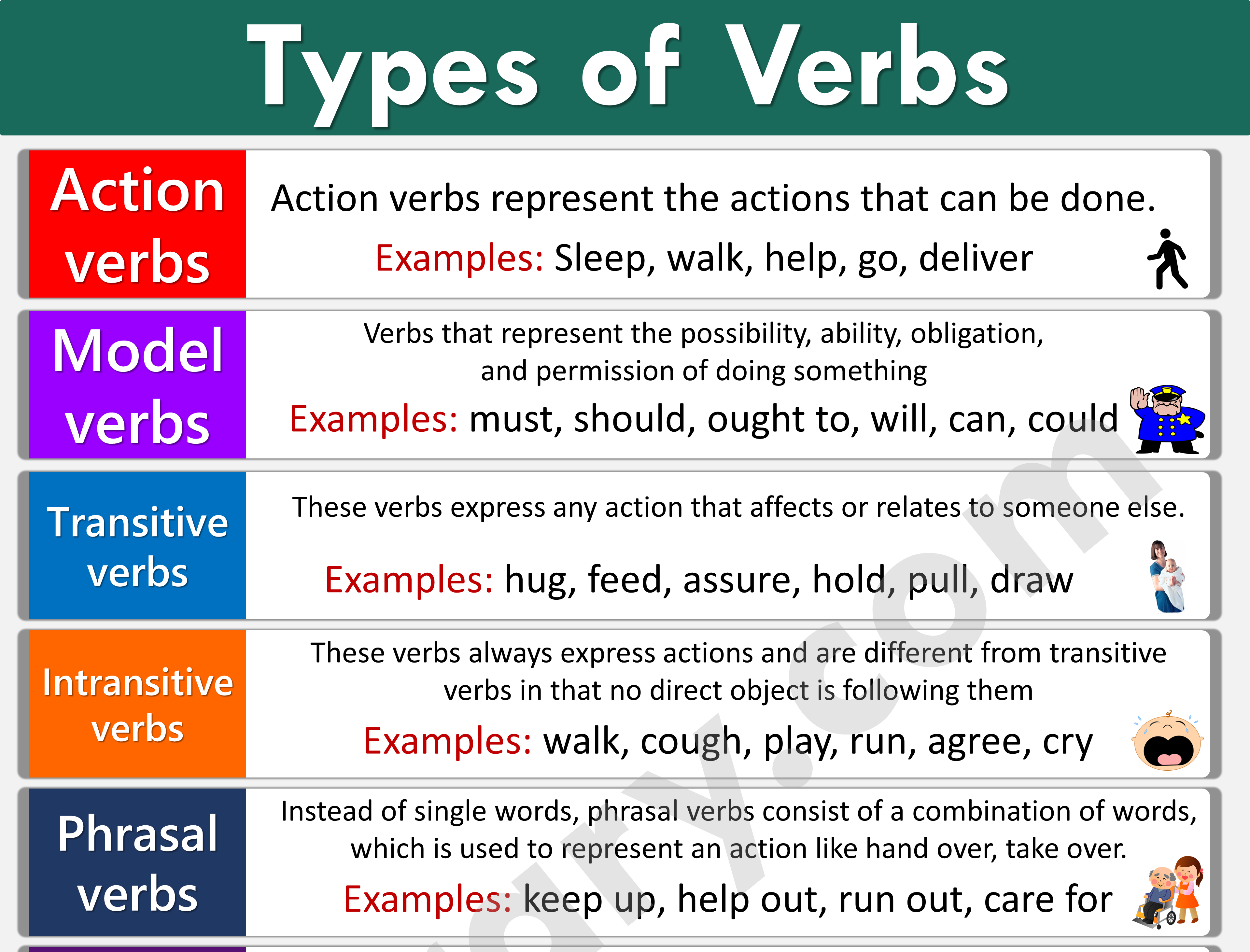
Cause 2 verb meaning: what causes meaning – PBFF
Is Versus A Verb At Christina Gonzales Blog
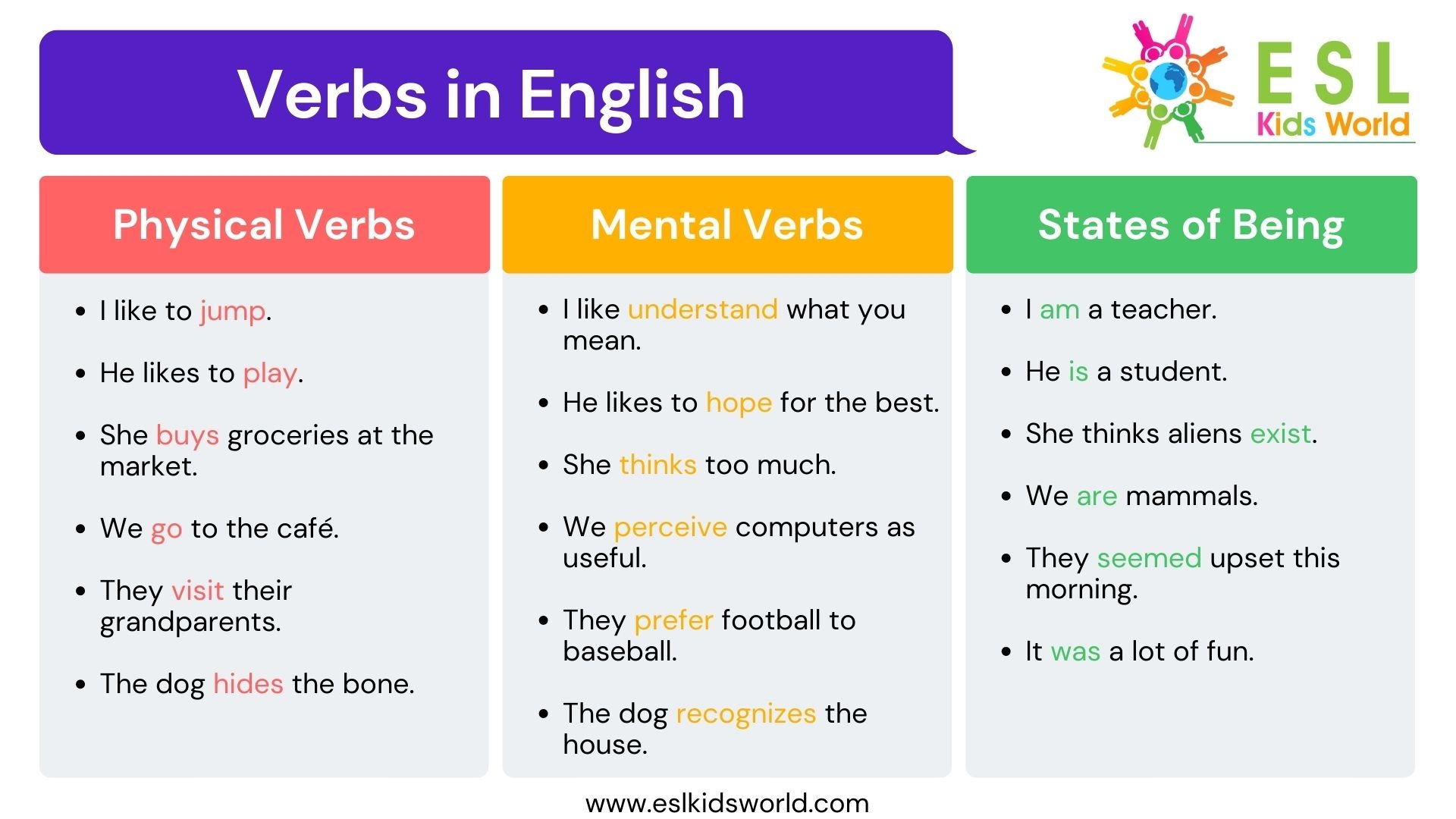
Is Versus A Verb at Christina Gonzales blog
Present Active Verbs

Present Active Verbs
Most Common Verbs In English

Most Common Verbs in English