When you need to capture the heat, light, and carefree vibe of the season, having the right adjectives at hand makes writing, teaching, or just chatting about summer effortless. Below are practical groupings of words, plus quick tips on how to slip them into everyday use without overthinking.
What are the essential adjectives for a sunny, energetic summer?
Think of the sensations that stick out the most: bright sunshine, warm breezes, and active outdoor fun. Words like radiant, balmy, lively, and vibrant instantly paint that picture. Pair a descriptive term with a concrete noun—e.g., “radiant mornings” or “vibrant beach scenes”—to make the image vivid in just a few seconds.
How can you describe the slower, relaxed side of summer?
Not every summer moment is a sprint. For lazy afternoons, consider words such as laid‑back, gentle, tranquil, and soothing. A simple sentence like “the gentle hum of cicadas filled the evening” conveys calm without extra explanation. Use these terms when you want to signal a pause in the hustle, whether in a story, a lesson plan, or a social media caption.
Which vivid verbs help you capture summer’s motion?
Action words add momentum. Try sparkle (as sunlight on water), sizzle (for a hot pavement), glide (for a kite), and burst (for fireworks). Swapping a generic “was” for a more dynamic verb instantly upgrades the tone: “The sky burst with color at dusk” feels more immediate than “The sky was colorful.”
How do visual aids reinforce your summer vocabulary?

Teaching or remembering these words becomes easier when you attach them to a picture. This bright classroom image of kids working with summer‑themed sight words shows how visual context can anchor meaning. When you need to recall a term quickly, picture a similar scene in your mind.
What’s a quick way to expand your summer vocabulary for kids?
Start with a “word of the day” linked to a real‑world observation. For instance, point out a glimmering pond while walking in the park, then ask the child to use the word in a sentence. Repetition paired with the actual environment cements the term. Over a week, you’ll have a small but rich lexicon that feels natural to use.
How can you keep summer descriptors fresh without overloading?
Limit yourself to three new adjectives each week and practice them in everyday chatter—order a zesty lemonade, describe a golden sunset, or note a buzzing boardwalk. By cycling a short list, you avoid overwhelm and let each word settle into your active vocabulary. When you need a fresh descriptor, you’ll have a ready stash without feeling forced.
When you need to capture the heat, light, and carefree vibe of the season, having the right adjectives at hand makes writing, teaching, or just chatting about summer effortless. Below are practical groupings of words, plus quick tips on how to slip them into everyday use without overthinking.
What are the essential adjectives for a sunny, energetic summer?
Think of the sensations that stick out the most: bright sunshine, warm breezes, and active outdoor fun. Words like radiant, balmy, lively, and vibrant instantly paint that picture. Pair a descriptive term with a concrete noun—e.g., “radiant mornings” or “vibrant beach scenes”—to make the image vivid in just a few seconds.
How can you describe the slower, relaxed side of summer?
Not every summer moment is a sprint. For lazy afternoons, consider words such as laid‑back, gentle, tranquil, and soothing. A simple sentence like “the gentle hum of cicadas filled the evening” conveys calm without extra explanation. Use these terms when you want to signal a pause in the hustle, whether in a story, a lesson plan, or a social media caption.
Which vivid verbs help you capture summer’s motion?
Action words add momentum. Try sparkle (as sunlight on water), sizzle (for a hot pavement), glide (for a kite), and burst (for fireworks). Swapping a generic “was” for a more dynamic verb instantly upgrades the tone: “The sky burst with color at dusk” feels more immediate than “The sky was colorful.”
How do visual aids reinforce your summer vocabulary?
Teaching or remembering these words becomes easier when you attach them to a picture. This bright classroom image of kids working with summer‑themed sight words shows how visual context can anchor meaning. When you need to recall a term quickly, picture a similar scene in your mind.
What’s a quick way to expand your summer vocabulary for kids?
Start with a “word of the day” linked to a real‑world observation. For instance, point out a glimmering pond while walking in the park, then ask the child to use the word in a sentence. Repetition paired with the actual environment cements the term. Over a week, you’ll have a small but rich lexicon that feels natural to use.
How can you keep summer descriptors fresh without overloading?
Limit yourself to three new adjectives each week and practice them in everyday chatter—order a zesty lemonade, describe a golden sunset, or note a buzzing boardwalk. By cycling a short list, you avoid overwhelm and let each word settle into your active vocabulary. When you need a fresh descriptor, you’ll have a ready stash without feeling forced.
The Word Most
The Word Most
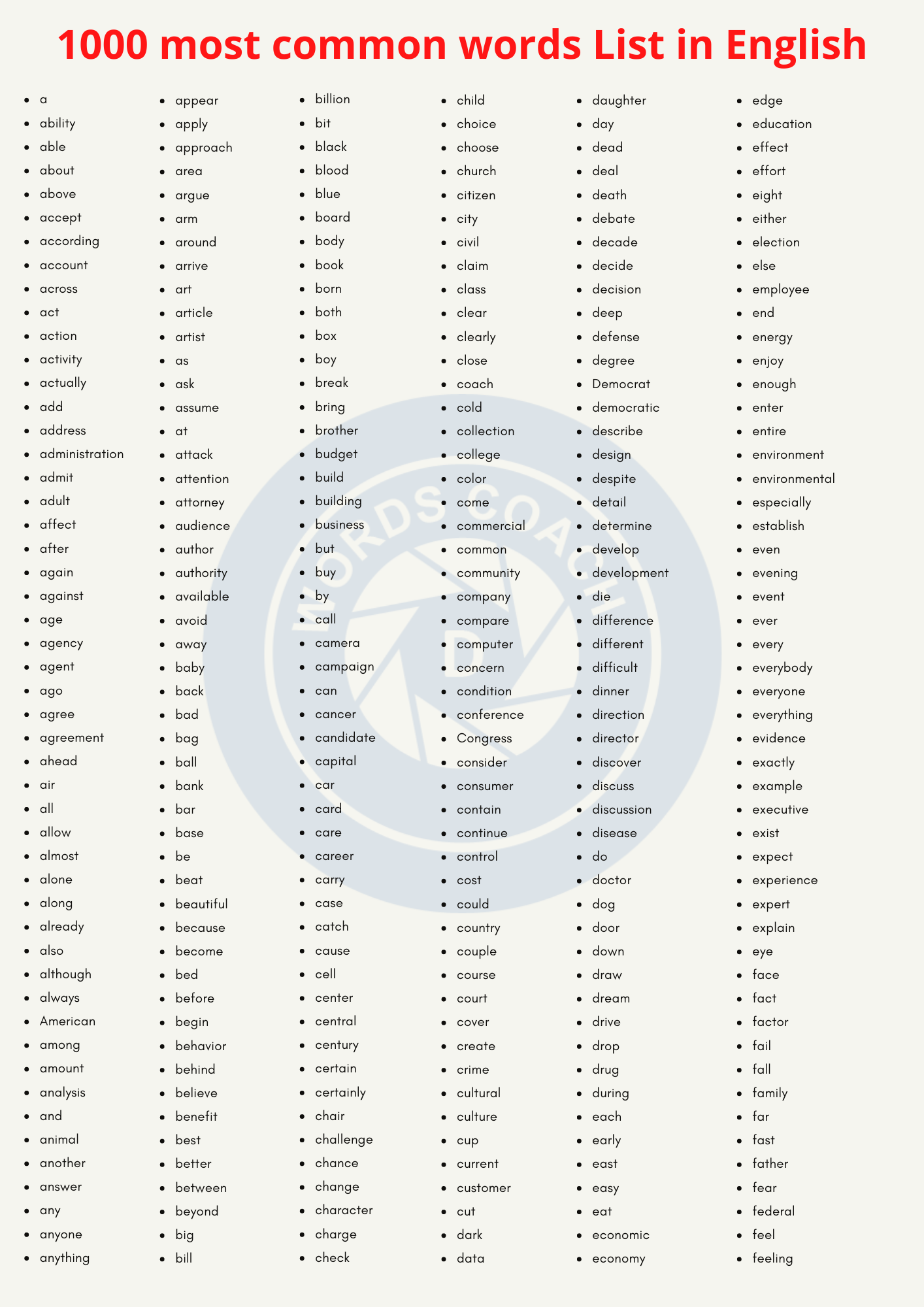
1000+ Most Common Words In English From A-Z • 7ESL

1000+ Most Common Words in English from A-Z • 7ESL
Words Picture | Free Photograph | Photos Public Domain

Words Picture | Free Photograph | Photos Public Domain
200+ Sentences With Also - Word Coach

200+ Sentences with Also - Word Coach